ServicesTrailer Interchange
Trailer Interchange Insurance in Arlington
If you sign an interchange agreement, you are on the hook for that trailer until you drop it. We set up coverage that pays for damage to a trailer in your care, with limits that fit the trailers you really pull, so one wreck doesn't come out of your own pocket.
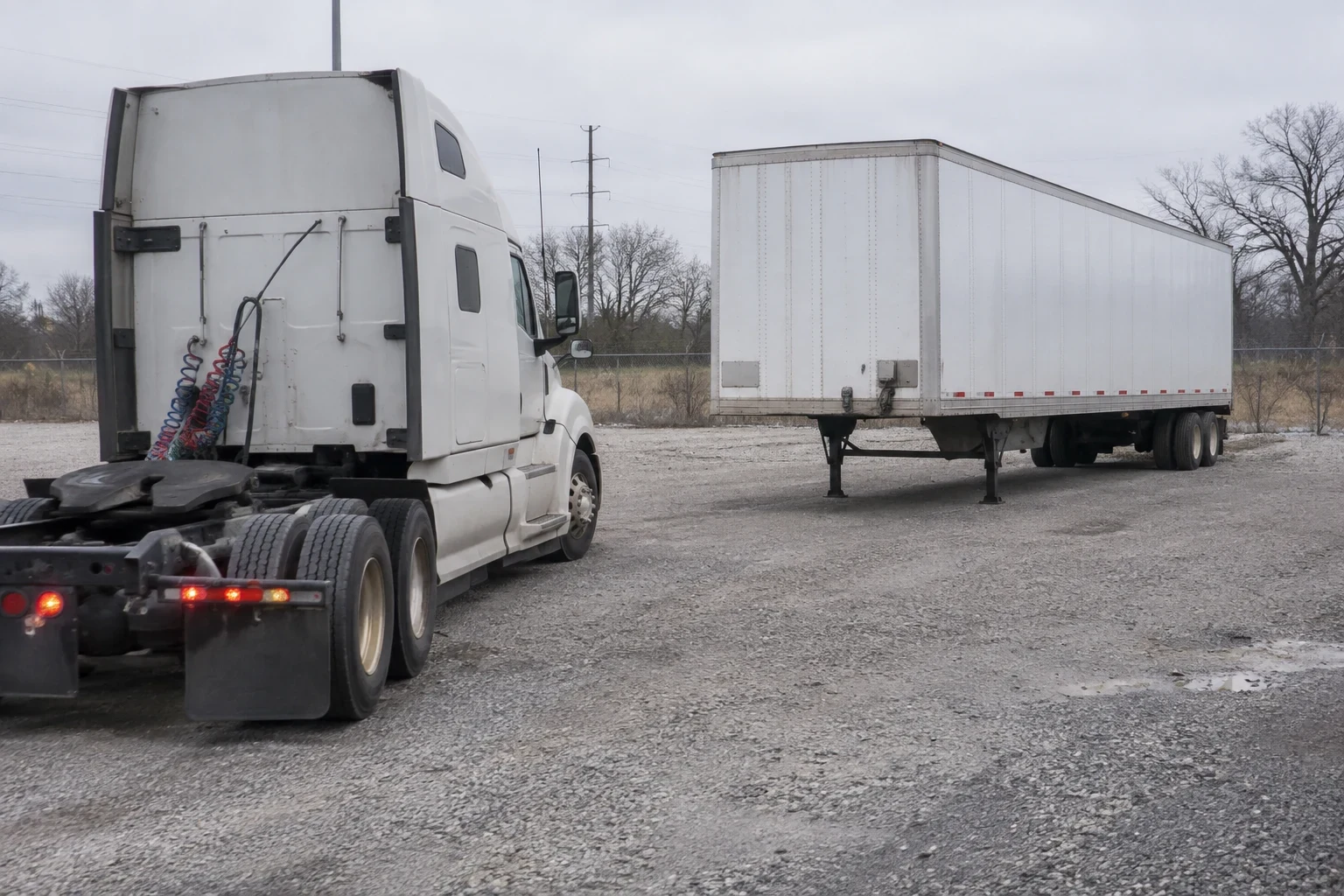
What Trailer Interchange Covers
Trailer interchange insurance pays for physical damage to a trailer you don't own while it is in your possession under a written interchange agreement. Think collision, fire, theft and vandalism. Your auto liability covers damage you do to other people. Your physical damage policy covers your own tractor. Neither one covers the other company's trailer hooked to your fifth wheel.
Most carriers run into it when a shipper, another carrier, or a container and chassis provider hands over a trailer and asks for a certificate of insurance before you hook up. Drayage out of the rail yards around Dallas-Fort Worth is a common example. If the agreement says you're responsible, this is the coverage that answers for it.
We look at it the long way. A cheap policy with a limit below the trailer's value, or a deductible you can't cover, saves a little each month and costs a lot on the one bad day. We'd rather get the limit and deductible right once and have it hold up.
What We Set Up for You
- Agreement review
- We read the interchange agreement with you. We look at who is responsible, for how much, and whether it asks for a specific limit or wording on the certificate.
- Limits that match the trailer
- A 53-foot dry van, a reefer and a container chassis are worth very different amounts. We set the limit to cover the most valuable trailer you're likely to pull, not a round number that sounds good.
- Deductible choices side by side
- We show you how a higher or lower deductible changes the premium. Then you pick the one your operation can actually pay on short notice.
- Certificates of insurance
- When a new trailer provider asks for proof of coverage, we get the certificate issued with the details they ask for.
- Fit with the rest of your policy
- We check it against your primary auto liability, physical damage and motor truck cargo insurance so there are no gaps and no double paying.
Signs You Need Trailer Interchange Coverage
You signed an interchange agreement
If there's a written agreement that hands you responsibility for a trailer, you need coverage that matches it.
A provider asked for proof
A chassis pool, shipper or carrier won't release a trailer until they see a certificate of insurance with interchange listed.
You're adding drayage or power-only work
Pulling other people's trailers is the whole job in these lanes. The trailer exposure grows with every load.
Your limit is older than your freight
If you set the limit years ago and now pull newer or refrigerated trailers, it may fall short of what one of those trailers costs to replace.
You aren't sure what covers the trailer
Plenty of drivers assume their physical damage policy covers whatever is hooked to the truck. It usually doesn't. A short review settles it.
What Moves the Price
Trailer interchange is usually a smaller line item than liability, but it still varies a fair amount. The biggest driver is how much trailer you need to cover. We walk through each factor with you so the premium makes sense before you sign.
Limit per trailer
A higher limit costs more. It should still cover the full value of the trailer you're most likely to pull.
Deductible
A bigger deductible lowers the premium. It only saves money if you can pay it without trouble after a loss.
Type of trailer and freight
Reefers and specialized trailers cost more to repair or replace than a standard dry van, and that shows up in the rate.
Driving and claims history
Clean MVRs and a quiet loss history help. Recent trailer claims push the price up.
Radius and lanes
Short local drayage and long-haul runs carry different exposure, and carriers price them differently.
How Getting Covered Works
- 1
A phone or video call
We ask about your trucks, your DOT number and MC authority, who you pull for, and what kind of trailers. It takes a short conversation, not a stack of forms.
- 2
We read the paperwork
Send us the interchange agreements you have or expect to sign. We note the required limit and any special wording.
- 3
We shop and compare
We get quotes and lay out the premium against the limit and deductible for each one. We tell you plainly which one we'd pick and why.
- 4
Policy and certificates
Once you choose, we bind the coverage and get certificates out to the trailer providers who need them.
- 5
Check-ins as you grow
When you add lanes, providers or trucks, call us. We adjust the limit before the gap shows up in a claim.
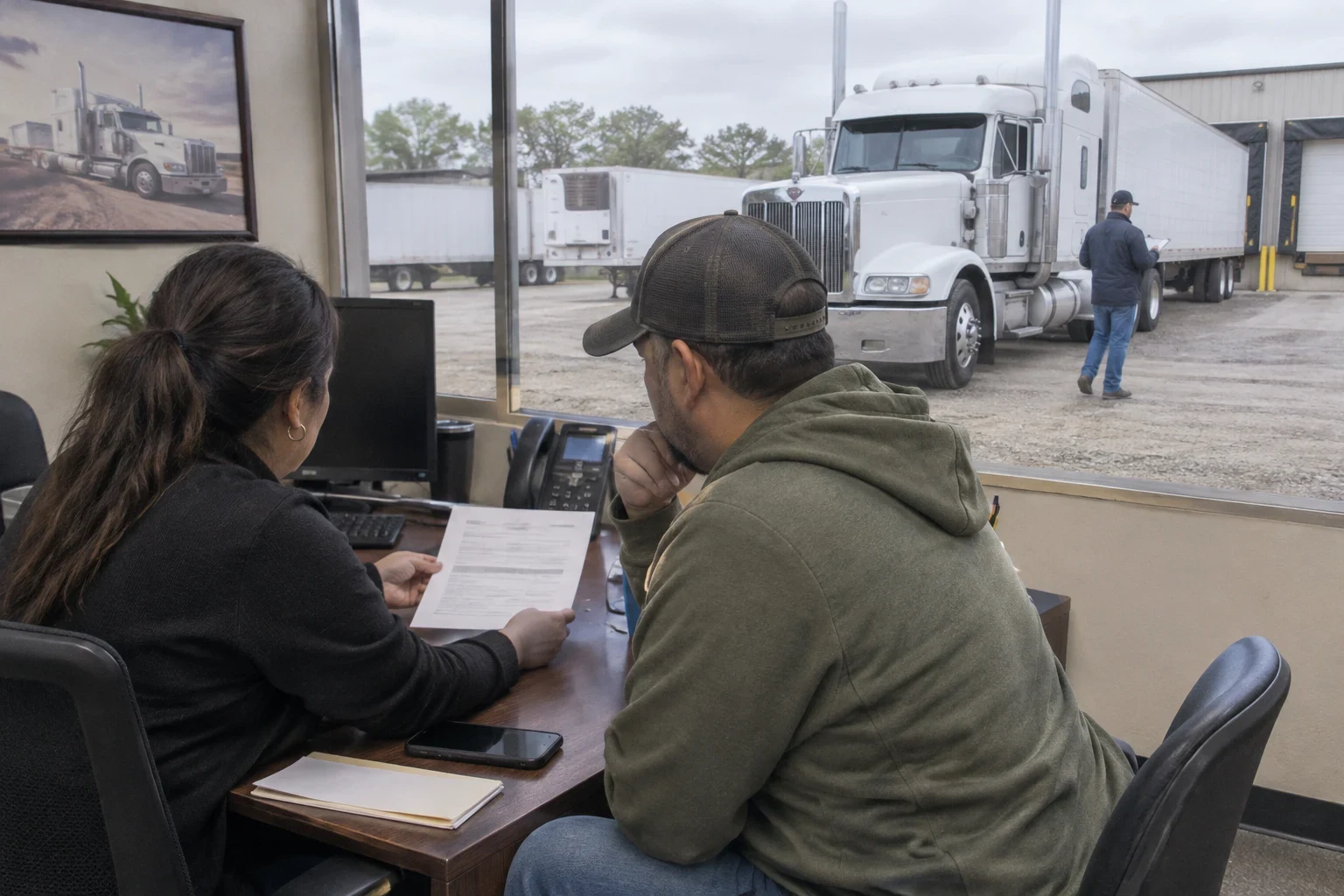
Trailer Interchange Questions
Isn't the trailer covered by the owner's insurance?
Sometimes the owner carries coverage, but the interchange agreement usually shifts responsibility to you while you have it. If the trailer gets damaged, the owner's insurer can come after you. Your own interchange coverage is what pays that claim.
What's the difference between trailer interchange and non-owned trailer coverage?
Trailer interchange applies when there is a written interchange agreement. Non-owned trailer physical damage covers trailers you pull without one. Some operations need both, and we'll tell you which fits how you work.
Does it cover the freight inside the trailer?
No. Trailer interchange covers the trailer itself. The load is covered by motor truck cargo insurance, which we can set up alongside it.
I'm leased onto a carrier. Do I need my own?
It depends on your lease and the carrier's policy. Some motor carriers cover trailers for their leased owner-operators and some don't. Bring us your lease and we'll read it with you.
Can your agency place this coverage for me?
Yes. Our agency is licensed for property and casualty insurance, and trailer interchange falls under that commercial trucking work. We handle it along with the rest of your policy.
How fast can I get a certificate?
Once coverage is bound, we issue certificates as providers ask for them. Have the provider's name and any required wording handy when you call and it goes quicker.
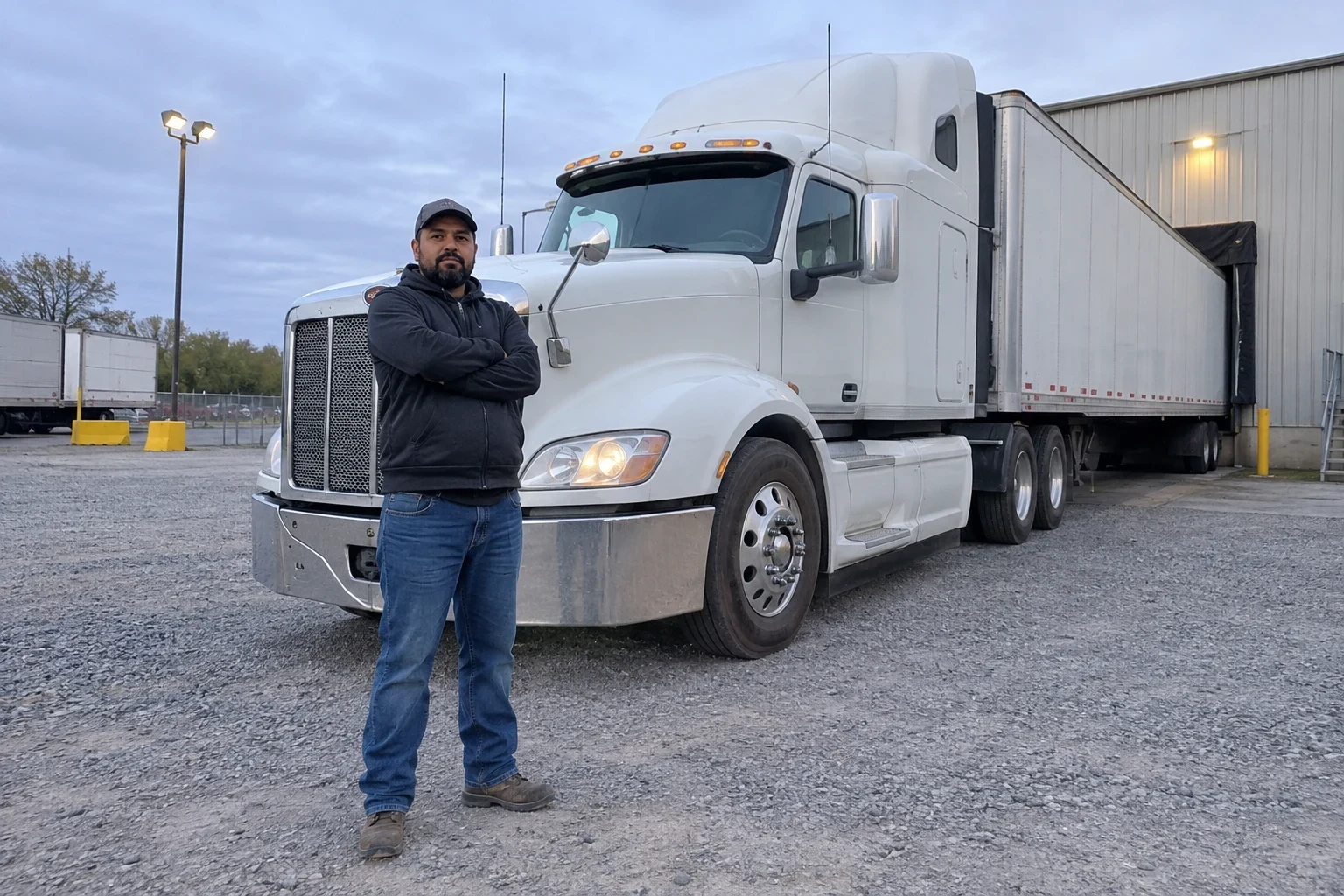
Get the Trailer Covered Before You Hook Up
Have your interchange agreement and trailer types ready. We'll go over limits and deductibles with you and find coverage that holds up over the long run.