ServicesPrimary Auto Liability
Primary Auto Liability Insurance in Arlington
Primary auto liability pays for the injuries and damage your truck causes to other people. It is the coverage your authority depends on. We set limits that match your contracts, handle the filings and compare carriers on what the policy costs over the whole year.
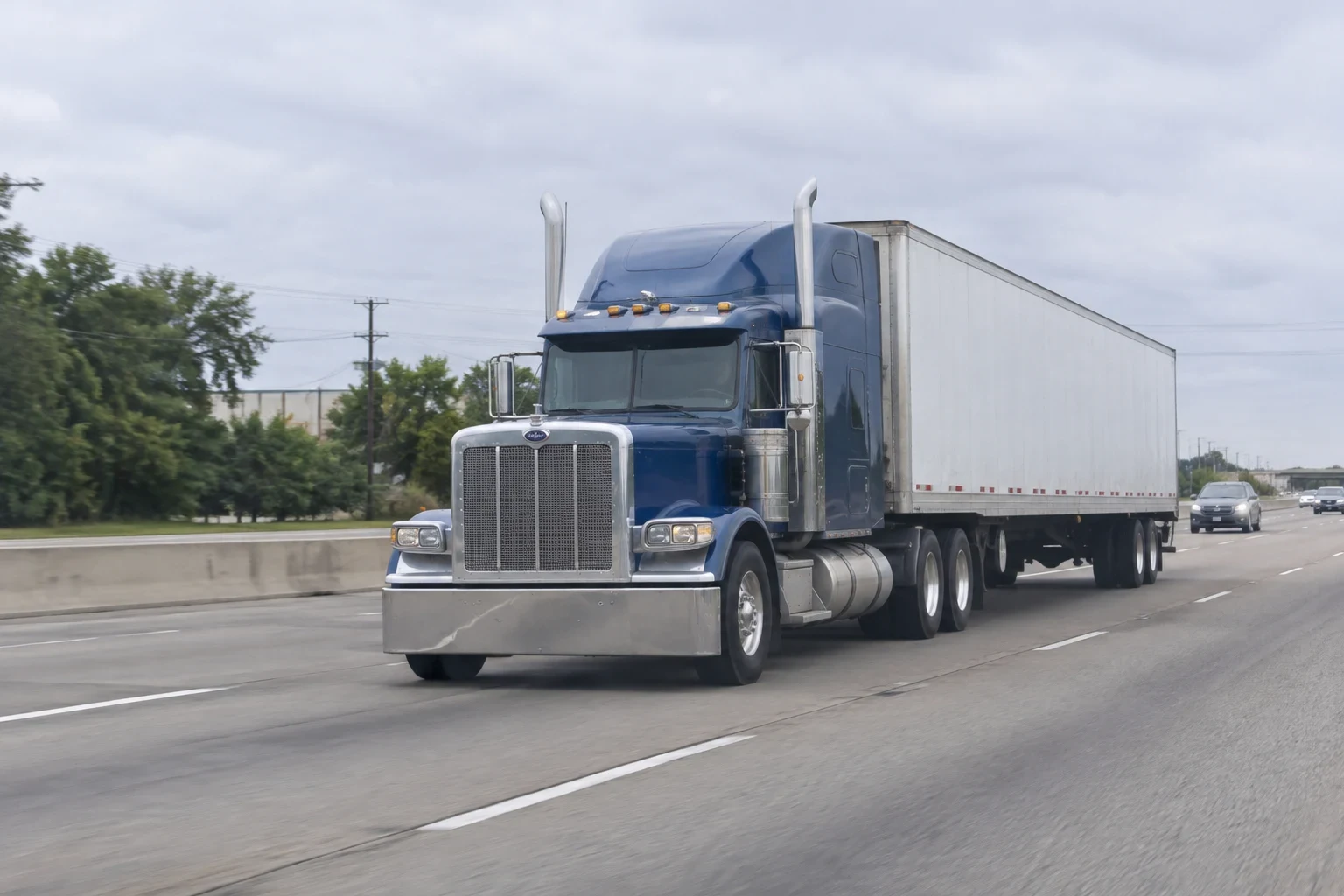
What Primary Auto Liability Covers
If your truck hits a car, a building or a person, this is the policy that pays the other side. It covers their medical bills, their vehicle and the legal costs of a claim. It does not pay to fix your own truck. That is what physical damage insurance is for.
You need it before you can run under your own MC authority, and it is the first thing a broker checks. We are licensed for property and casualty insurance, and we write this coverage for owner-operators, small fleets, and hotshot, box truck and dump truck businesses in Arlington and towns like Grand Prairie and Mansfield.
The lowest premium in month one is not always the cheapest policy by month twelve. A big down payment, a carrier that is slow on claims, or limits too low for your best broker can all cost more later. We lay those out so the choice still makes sense at renewal.
What We Set Up for You
- Limits that match your loads
- The federal minimum for most general freight is $750,000. Many brokers and shippers will not load you under $1 million. We set your limit to the work you actually take, and higher where hazmat rules require it.
- Federal and Texas filings
- Your carrier files proof of coverage with FMCSA, and with the state if you haul inside Texas. We make sure the right filings go in and check that they post to your DOT number.
- Certificates of insurance
- When a broker or shipper asks for a certificate, we send it with them listed as the holder. You do not wait on a carrier call center to keep a load.
- Trucks and drivers on the schedule
- Each unit and driver is listed on the policy. When you add a truck or hire a driver mid-term, we make the change so nobody runs uncovered.
- Quotes compared on the full year
- We show the down payment, the monthly amount and the total for the term side by side. You see what each option really costs, not just what it takes to start.
Signs It Is Time to Call About Liability
Your authority is waiting on insurance
A new MC number stays inactive until a liability filing is on record. No filing, no loads.
A broker rejected your certificate
This usually means your limit is lower than their contract calls for. It is cheaper to fix now than to keep losing freight.
You are leaving a lease
Under a lease, the motor carrier's liability covered you while dispatched. Once you run on your own authority, you need your own policy.
A cancellation or nonrenewal notice came in
A lapse can deactivate your authority and raise what you pay for years. Call before the date on the notice.
Renewal jumped with no clear reason
We pull your loss runs and driver records and find out what changed. Then we shop it.
What Moves Your Liability Premium
Liability is usually the biggest piece of a trucking insurance bill. The price comes from how risky the carrier thinks your trucks are on the road. Some of that you can change over time, and we will tell you which parts.
Driver records and experience
Tickets, accidents and fewer years behind the wheel raise the rate. One driver with a rough record can lift the premium on every unit.
Radius and routes
Local work around the metro prices differently from long haul across several states. Time in heavy traffic counts.
What you haul
Hazmat, heavy equipment and some construction loads carry higher required limits and higher rates than dry freight.
Limit you choose
Going from the federal minimum to $1 million adds cost, but it often opens up broker freight that pays for the difference.
Claims and time under authority
New authorities pay more at first. A clean record with no lapses brings the rate down at each renewal.
How Getting Covered Works
- 1
A call or video meeting
We go over your DOT number, MC authority, where you run, what you haul and who drives. Have your loss runs and each driver's CDL details handy if you have them.
- 2
Options laid out plainly
We shop carriers that write your kind of operation. You get each option's limit, down payment, payment plan and full-term cost, plus our read on how that carrier handles claims.
- 3
Bind, file and send certificates
Once you pick, we bind the policy and the carrier submits your filings. We watch your FMCSA record and tell you when it shows active, then send certificates to your brokers.
- 4
Changes through the year
New trucks, new drivers and new broker certificates go through us. Well ahead of renewal we review the policy so you are not stuck taking whatever comes back.
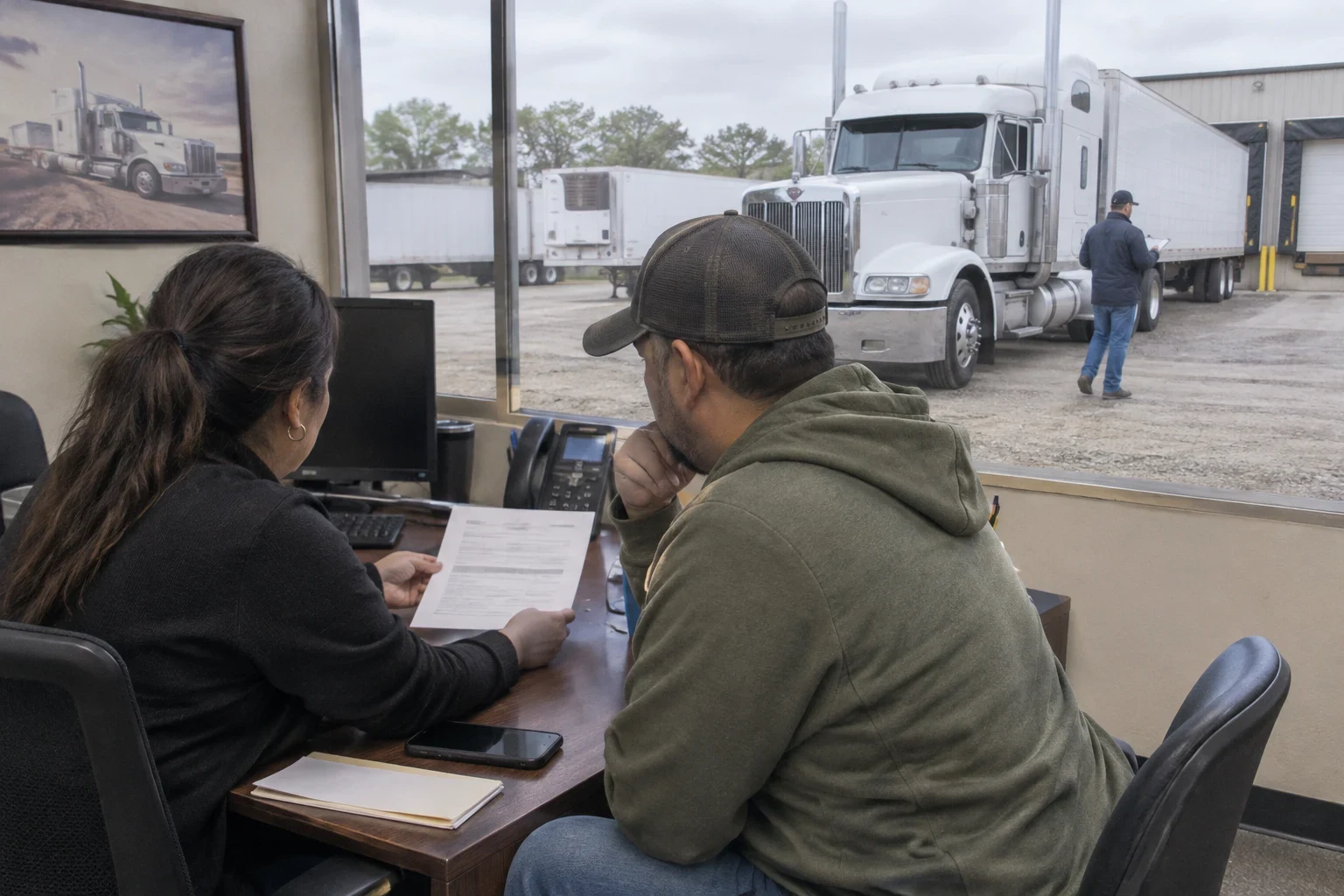
Primary Auto Liability Questions
Does primary liability pay to repair my truck after a wreck?
No. It pays for damage and injuries you cause to others. Repairs to your own truck come from physical damage coverage, which we can quote on the same call.
What is the difference between primary liability and bobtail?
Primary liability covers you while you are working under your own authority. Non-trucking liability, or bobtail, covers a leased owner-operator driving off dispatch, when the motor carrier's policy does not apply. If you have your own MC authority, you need primary liability.
The law says $750,000. Why would I carry $1 million?
Because most brokers and many shippers require it in their contracts. If your limit is too low, they will not load you. We look at the freight you want and set the limit to match.
How soon will my filing show up with FMCSA?
The carrier sends it after the policy is bound, and it appears on your record once FMCSA processes it. We check your DOT number and let you know when it shows active. Do not haul under the authority until it does.
Can I pay monthly instead of all at once?
Most carriers offer a down payment and monthly installments. Smaller down payments can come with fees or a higher total. We show the full-term cost of each plan so you can pick the one that fits your cash flow.
Get Your Limits Right Before the Next Load
Tell us about your trucks, your drivers and the freight you run. We will come back with liability options you can compare on cost over the full year.