ServicesBox Truck Insurance
Box Truck Insurance in Arlington
We put together box truck coverage that fits the work you actually run: final-mile, furniture and appliance delivery, moving jobs or broker freight. We check what your contracts and filings require, then show you how each choice affects your premium this year and your costs down the road.
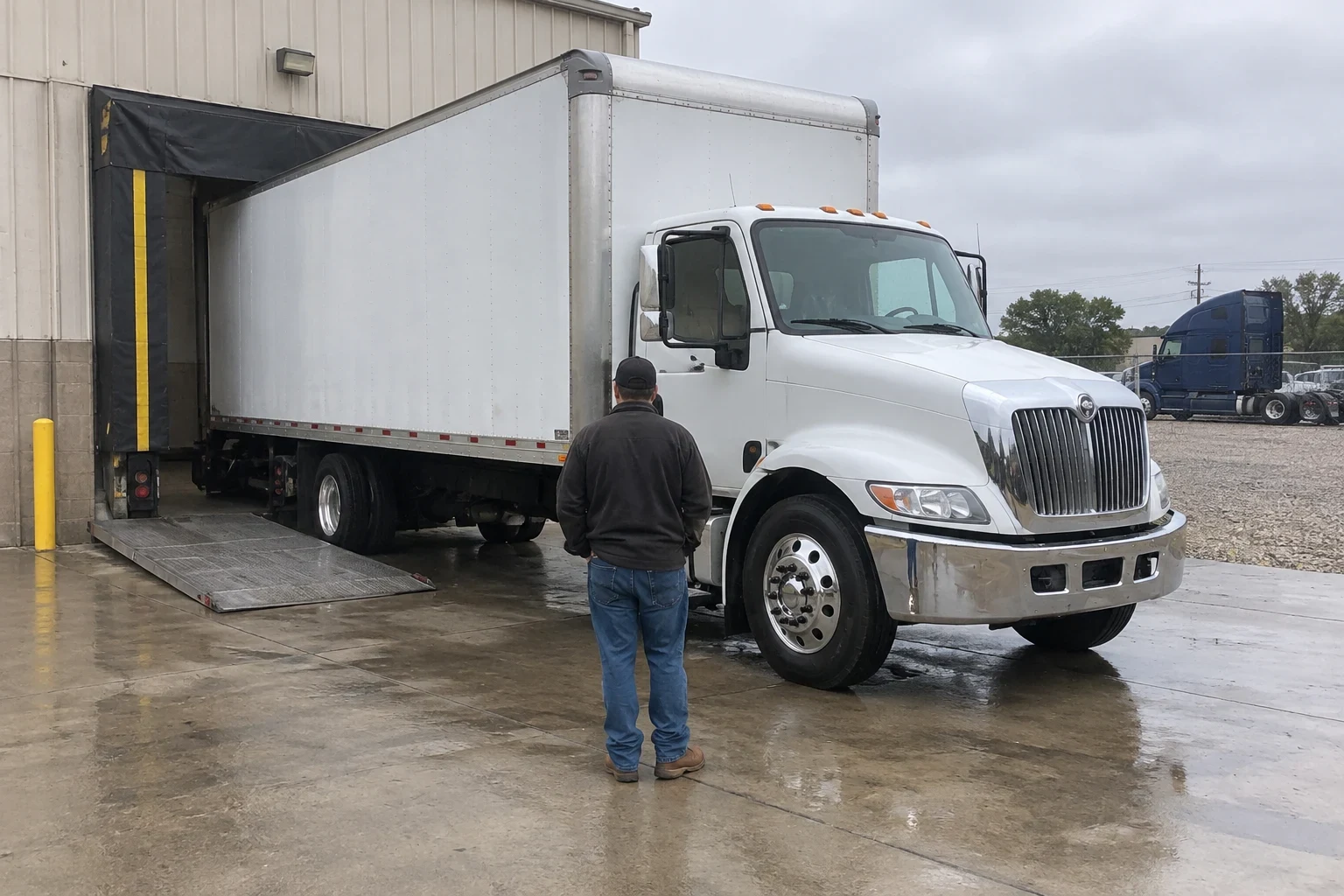
What box truck insurance covers
A box truck sits in an odd spot. It is too big for a personal auto policy, and many run under 26,001 pounds, so the driver may not need a CDL. That does not make it a light-duty risk. Once you haul for hire, you need commercial liability, and most shippers and brokers will also want cargo coverage before they hand you a load.
Box truck insurance usually combines primary auto liability, motor truck cargo and physical damage on the truck itself. Some operations also need general liability for work done at a customer's dock or inside a building. We are licensed for property and casualty insurance, and we build the policy from the pieces your operation needs, not a stock package.
The cheapest quote is not always the cheaper policy. A low premium with a high deductible or a cargo form full of exclusions can cost you more after one bad day. We lay those tradeoffs out so the coverage still makes sense at renewal.
What we set up for your box truck
Primary auto liability
This pays for injuries and damage you cause to others on the road. Interstate for-hire carriers have federal minimums, and many brokers and contracts ask for $1,000,000. We match the limit to what your contracts require.
Cargo coverage
Covers the freight in the box. We read the exclusions with you, like theft from an unattended truck, damage during loading, or temperature loss if you run a reefer unit.
Physical damage
Covers your truck for collision, fire and theft. We talk through stated value, deductible and how much you still owe on the truck, since lenders often set their own requirements.
Liftgate and loading exposure
A lot of box truck claims happen at the back door, not on the highway. We check whether your policy responds to damage while loading and unloading with the liftgate.
Filings and certificates
We handle the filings tied to your DOT number and MC authority, federal or Texas intrastate, and send certificates of insurance to the brokers and shippers who ask for them.
Signs your box truck coverage needs a look
A broker turned down your certificate
Load boards and brokers often want higher liability or cargo limits than the minimum. If you are losing loads over paperwork, your limits likely need to change.
You moved from local to interstate
Crossing state lines for hire brings federal filing rules. Coverage written for in-state work may not satisfy them.
You added a liftgate, reefer or second truck
New equipment changes what can go wrong. A reefer unit needs breakdown coverage on the cargo side, and a second truck can change how your policy is rated.
Your premium jumped with no claims
Rates move for many reasons, including your radius, cargo type and driver records. A review can show what changed and whether a different setup makes more sense.
You are still on a personal policy
If you run paid deliveries on a personal auto policy, a claim can be denied outright. That is the most expensive gap there is.
How getting covered works
- 1
A phone or video call
We ask what you haul, where you run, your truck's weight rating and who your drivers are. It takes about as long as a fuel stop.
- 2
We check your requirements
We look at your DOT number, MC authority if you have one, and any contract or broker limits. That way the quote meets them the first time.
- 3
Side-by-side options
You see options with different deductibles and limits, plus what each one means for your premium now and your out-of-pocket cost after a claim. We point out exclusions in plain words.
- 4
Binding and paperwork
Once you choose, we bind the policy, take care of the filings and get certificates to the brokers and shippers who need them. You can come by our office or settle it all on one phone call.
What moves your box truck premium
There is no flat rate for box trucks. Two trucks the same size can price very differently based on how they are used. These are the things that matter most, and the ones you can sometimes change.
- Radius and routes
- Local final-mile work around Arlington and Grand Prairie rates differently from long interstate runs. More miles and more states usually mean more exposure.
- What is in the box
- Furniture from moving jobs, electronics and refrigerated food carry higher cargo risk than boxed dry freight. The cargo type drives both cargo cost and which exclusions apply.
- Driver records and experience
- Clean motor vehicle records and years behind the wheel help. New drivers or recent violations raise the premium.
- Truck value and deductible
- A newer truck costs more to cover for physical damage. A higher deductible lowers the premium, but only makes sense if you can cover that amount after a claim.
- Authority age and claims history
- A newer MC authority with little history is priced cautiously. A few clean years usually improve your options at renewal.
Box truck insurance questions
Something not covered here? (817) 402-2551
Do I need commercial insurance if my box truck is under 26,001 pounds?
Yes, if you use it for business. The weight rating decides CDL rules, not whether you need commercial coverage. Paid delivery or hauling on a personal policy can leave you with no coverage on a claim.
What liability limit should I carry?
It depends on your contracts and the type of authority you hold. Many brokers and shippers ask for $1,000,000 in liability. We check your actual requirements before we quote so you are not paying for more or less than you need.
Does cargo coverage pay if my truck is broken into overnight?
Not always. Many cargo forms limit or exclude theft from an unattended vehicle unless certain conditions are met. We go over those conditions with you before you buy, so there are no surprises.
Can I get covered if my authority is brand new?
Yes. New authority box truck operations are common, though fewer carriers write them and premiums run higher at first. Our New Authority Truck Insurance page explains what to expect in the first year.
Do you cover box truck fleets too?
We do. Once you run several trucks, it can make sense to put them on one fleet policy. See our Fleet Truck Insurance page for how that works.
Get your box truck covered right
Tell us what you haul and where. We will walk you through options that fit your contracts and your budget over the long run.