Is a Two Million Liability Limit Enough for a Trucking Operation in Arlington?
The right liability limit depends on what you haul, who you haul for, and what you stand to lose if a bad wreck goes to court.
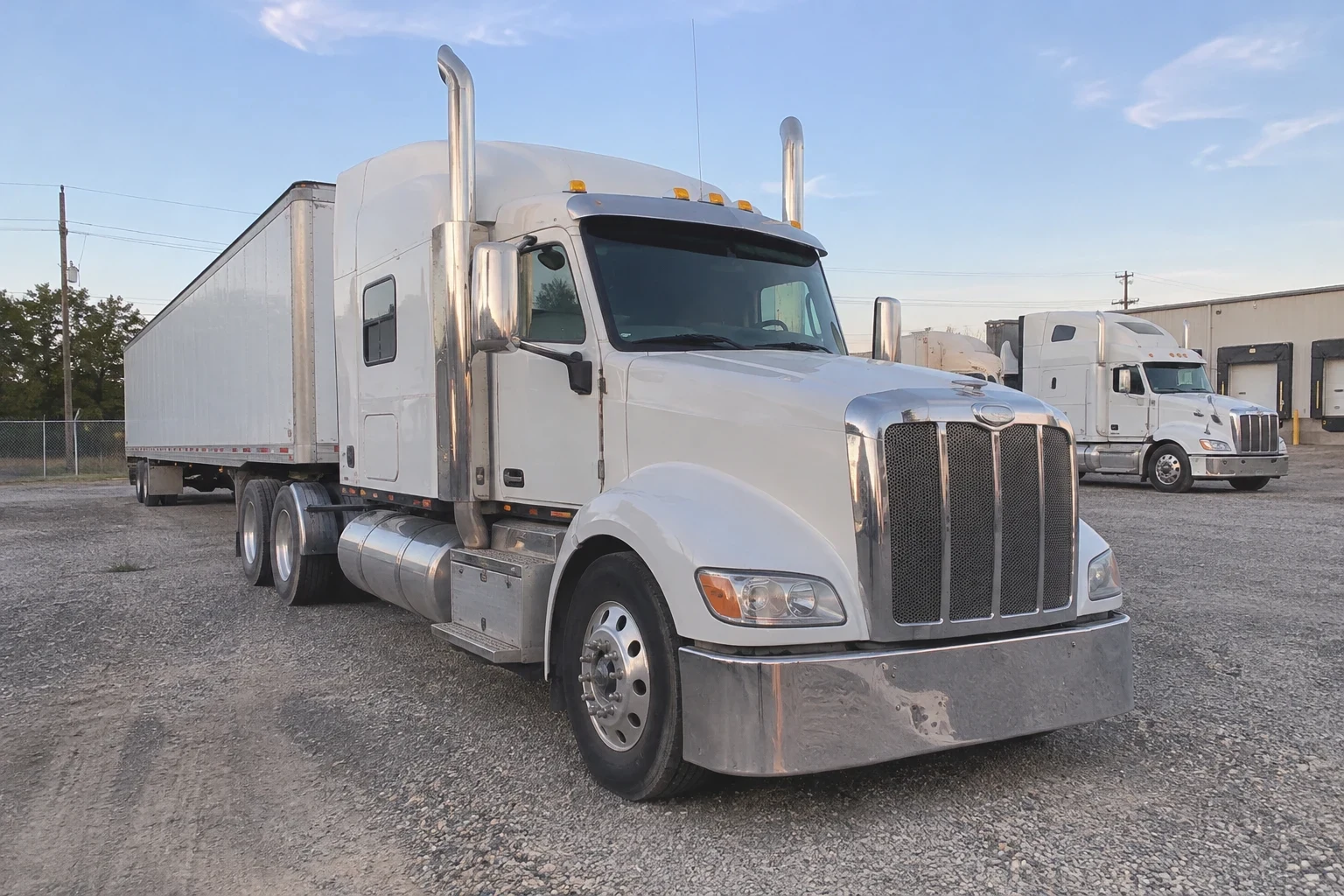
Is 2 million liability enough?
For many owner-operators and small fleets, a two million liability limit is enough. It sits well above the federal minimum and above what most brokers ask for. It is not right for every operation, though. What you haul, your contracts, your miles and what your business owns all change the answer. We can walk through yours at (817) 402-2551.
What the law and most brokers actually require
Federal rules set a minimum liability limit for interstate for-hire carriers hauling general freight. Some loads carry higher minimums, and certain hazardous materials require much more. That minimum is what your MC authority needs on file. It is not a measure of what a serious crash can cost.
Most brokers and shippers ask for a limit on your certificate of insurance that is about half of two million. So a two million limit already clears the bar for a lot of freight. The real question is whether clearing the bar is the same as being protected. Often it is not.
When that limit is usually a solid fit
For a lot of operations, a two million limit covers the realistic risk without paying for coverage you will never use. That tends to be true when the work is steady and the exposure stays moderate.
- Local or regional runs on routes you know, with fewer interstate miles
- General freight with no hazmat placards
- Broker and shipper contracts that ask for the standard limit and do not push higher
- A small fleet or single truck where the business owns few other assets
- Clean loss history and drivers with clean records
When it can fall short
Jury awards in trucking cases have climbed over the years, and a crash with serious injuries can go past your limit fast. If the claim is bigger than your coverage, the rest can come after your business. Your trucks, your yard, your receivables and in some cases your personal assets can be on the line.
Some contracts also ask for more. Large shippers, certain construction jobs and some government work want higher limits before you get the load. If you run dump trucks on job sites around Arlington, the general contractor may set the number for you.
Long interstate miles matter too. More time on busy highways means more chances for the kind of wreck that turns into a large claim.
- Hauling hazmat, fuel or other high-risk freight
- Contracts that spell out a higher required limit
- Heavy interstate mileage or a lot of night driving
- A growing fleet with many drivers on the road at once
- A business with real assets to protect
Weighing the premium against the long run
Higher limits cost more each year. That is the up-front side. The other side is how long your business lasts if one bad day goes wrong. A modest bump in premium can look small next to a judgment that closes the doors.
Raising the primary auto liability limit is one route. Adding an excess or umbrella policy on top is another, and it can sometimes buy extra protection for less than a bigger primary policy. Which one makes sense depends on the carriers available to you, your contracts, and your budget this year versus next.
We look at it this way. Pick a limit you can keep paying for every renewal, that meets your contracts, and that would leave your operation standing after a serious claim. A limit you drop after one year because it strained cash flow does not do much good.
How we help you pick a number
We start with what you haul, where you run and who you haul for. Then we look at what your contracts and brokers require and what your business owns. From there we compare quotes at different limits so you can see the actual premium difference, not a guess.
You get a plain answer on whether your current limit fits, or whether more coverage is worth it for your operation. If your work changes later, like a new contract or more trucks, we revisit the limit before renewal.
More questions about liability limits
- Does my liability limit cover my cargo or my truck?
- No. Auto liability pays for damage and injuries you cause to others. Your freight needs motor truck cargo coverage, and your own truck needs physical damage coverage.
- Can I raise my limit in the middle of a policy term?
- Usually yes. Your carrier can endorse the policy to a higher limit, and the premium is adjusted for the rest of the term. We can update your certificate of insurance once the change is in place.
- Will a broker turn down my truck if I only carry the standard limit?
- Many brokers accept it. Some loads and shippers ask for more, so check the rate confirmation or carrier packet before you book.
- Does my liability filing with the FMCSA show my full limit?
- The filing shows your coverage meets the federal minimum for your authority. Brokers and shippers see your actual limit on the certificate of insurance.
Find out what limit fits your trucks
Tell us what you haul and who you haul for. We will compare quotes at different liability limits so you can see what more coverage costs and decide what holds up for your operation.